Trees Clearing in Houston, TX
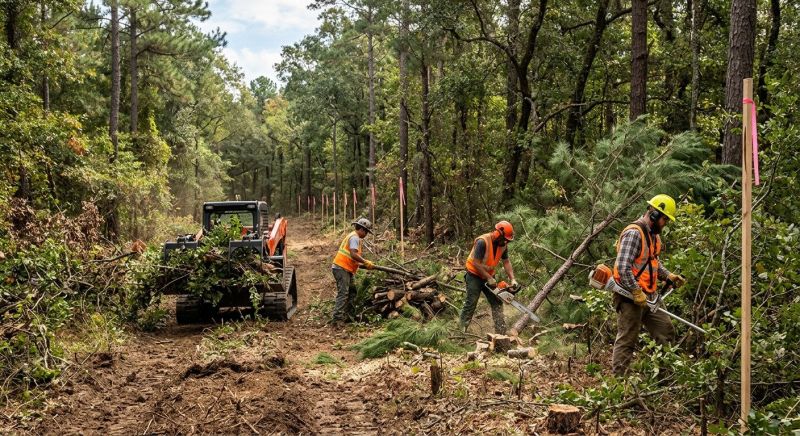
Trees clearing services involve removing unwanted or hazardous trees from residential properties. This type of service covers a variety of projects, including removing dead or diseased trees, clearing space for new construction or landscaping, and reducing risks posed by overgrown or unstable trees. Property owners typically want to understand the extent of the removal process, the safety measures involved, and how the work might impact their landscape or property value before requesting tree clearing services.
Homeowners considering tree clearing often seek information about the size and type of trees that can be removed, the potential effects on surrounding plants or structures, and any necessary permits or regulations in the area. It is also helpful to know whether the service includes stump grinding or disposal of debris, as well as how the work will be coordinated to minimize disruption to the property. Clear understanding of these aspects can assist property owners in planning and making informed decisions about tree removal projects.
Many property owners in Houston, TX look into Trees Clearing for repairs, replacements, upgrades, and appearance-related improvements.
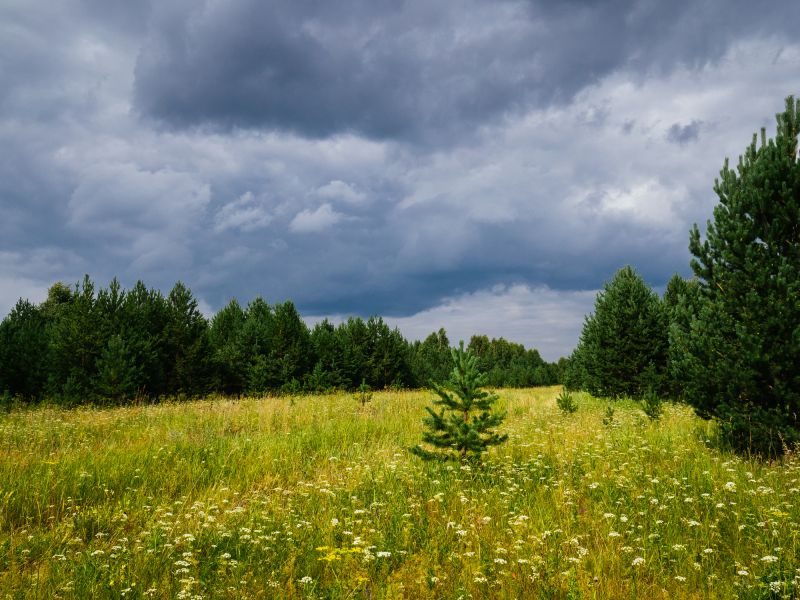
Tree Removal For Property Safety
Removing hazardous trees helps prevent damage during storms and protects your property.
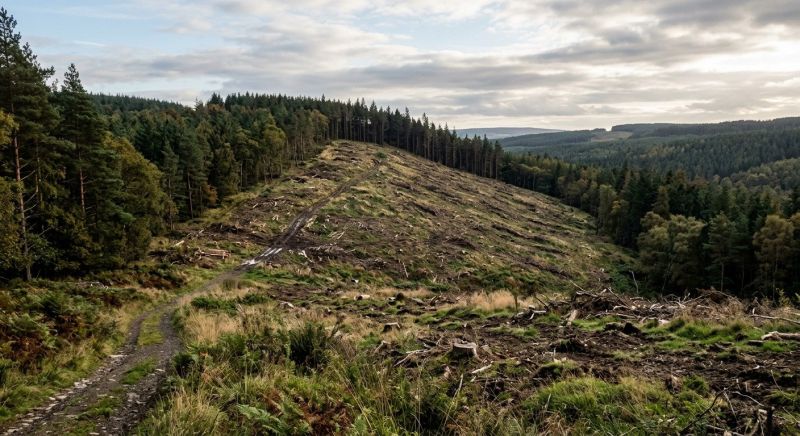
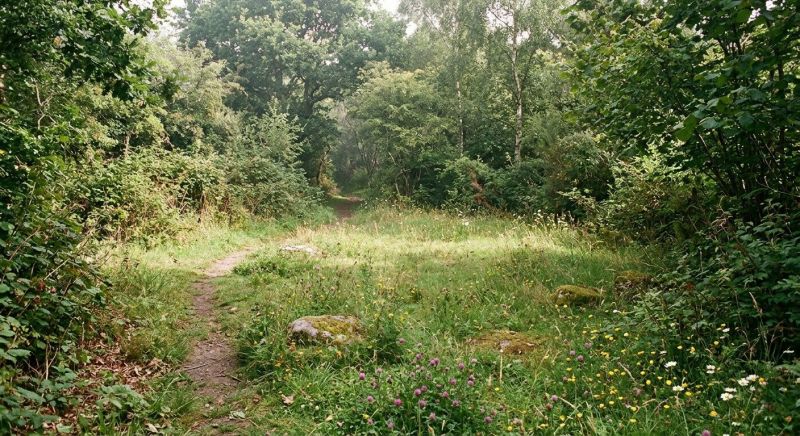
Clearing Overgrown Land
Tree clearing services can open up space for landscaping, construction, or recreation areas.
Storm Damage Cleanup
Prompt tree clearing after storms reduces the risk of falling branches and debris on your property.
Trees Clearing in Houston, TX

Trees clearing services involve removing unwanted or hazardous trees from residential properties. This type of service covers a variety of projects, including removing dead or diseased trees, clearing space for new construction or landscaping, and reducing risks posed by overgrown or unstable trees. Property owners typically want to understand the extent of the removal process, the safety measures involved, and how the work might impact their landscape or property value before requesting tree clearing services.
Homeowners considering tree clearing often seek information about the size and type of trees that can be removed, the potential effects on surrounding plants or structures, and any necessary permits or regulations in the area. It is also helpful to know whether the service includes stump grinding or disposal of debris, as well as how the work will be coordinated to minimize disruption to the property. Clear understanding of these aspects can assist property owners in planning and making informed decisions about tree removal projects.
Many property owners in Houston, TX look into Trees Clearing for repairs, replacements, upgrades, and appearance-related improvements.
Common Trees Clearing Jobs
Tree removal - safely eliminates dead or hazardous trees to protect property.
Stump grinding - removes tree stumps to clear space and prevent pests.
Selective clearing - clears specific trees or branches to improve landscape visibility.
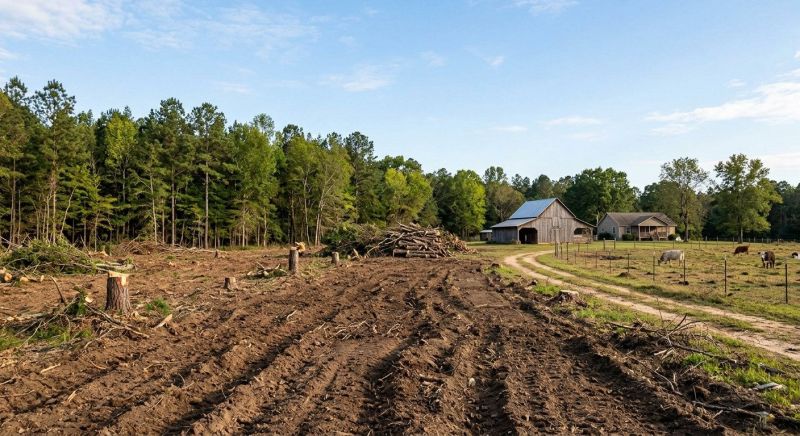
Lot clearing - prepares land for construction or landscaping projects.
Emergency tree services - addresses fallen trees after storms or severe weather.
Vegetation management - maintains property safety by controlling overgrown trees and shrubs.

Trees Clearing Questions
What types of trees can be cleared? Most common trees, including oaks, pines, and cypress, can be cleared depending on size and location.
Is tree clearing suitable for clearing land for construction? Yes, it is often used to prepare land for building or landscaping projects.
Are there any restrictions on tree removal in residential areas? Local regulations may apply, especially for protected species or large trees near structures.
What should property owners consider before requesting tree clearing? It's important to assess tree size, location, and potential impact on the property or surroundings.
Request Trees Clearing in Houston, TX
Use the quote form on this page to share the basics of your project and request more information for the type of work you need.